rosawyer
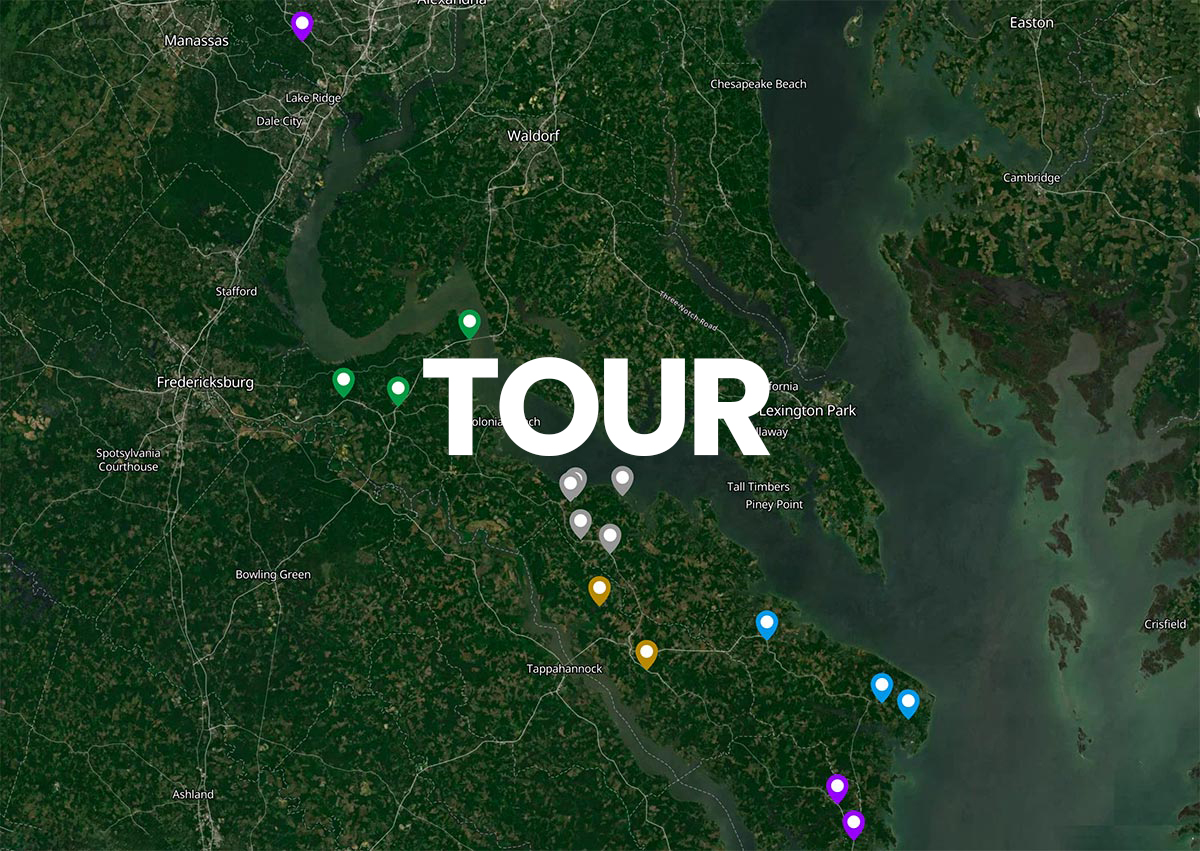
Allow us to introduce ourselves; we are the Northern Neck Hidden History Trail (NNKHHT).
In addition to the History of our European and Native American stakeholders, we advocate for Black History considerations; not Black History Week – the origins of this initiative – nor Black History Month, but rather Black History 365 – everyday of the year.
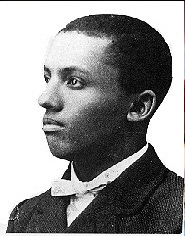
But we must give credit where credit is due; such as the current efforts by the African-American Education Initiative in the Northern Neck National Heritage Area and also the past Black History advocacy actually originated by Carter G. Woodson as Black History Week. This ONE MAN changed the world with his initiative.
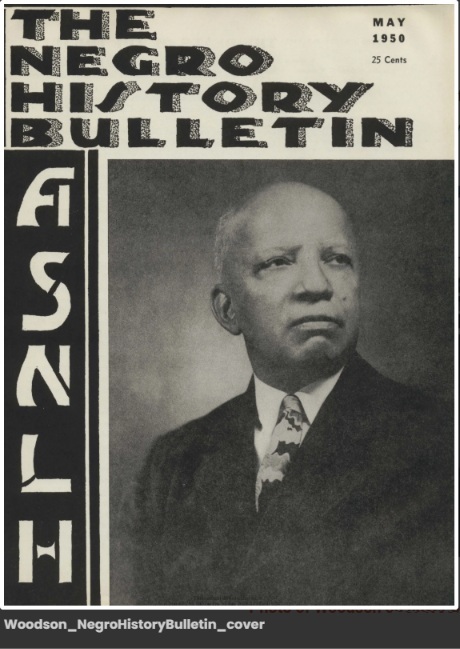
Every February, classrooms, museums, and City Halls across the United States pause to celebrate Black History Month. It is so woven into the rhythm of American life that it can feel inevitable — as though it always existed. It did not. It began as the vision of one man, Dr. Carter Godwin Woodson (December 19, 1875 – April 3, 1950), a son of formerly enslaved parents who worked in West Virginia coal mines to pay for his own education, and who went on to become only the second African American, after W. E. B. Du Bois, to earn a doctorate in History from Harvard University.
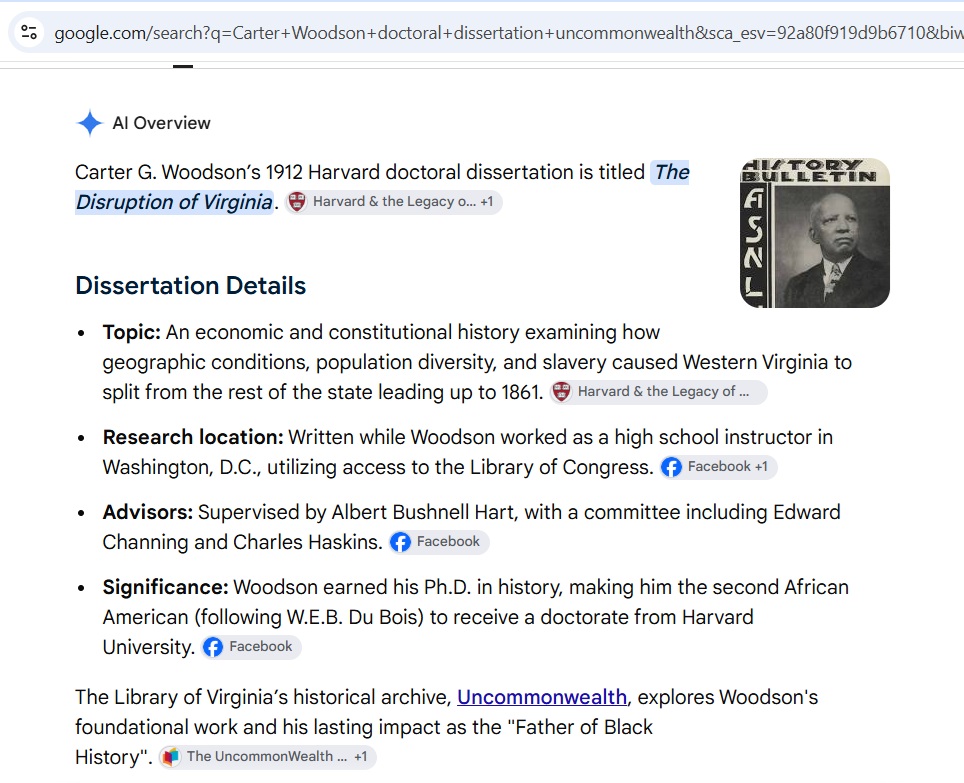
His doctoral dissertation, The Disruption of Virginia, was a scholarly masterpiece, identifying the “UncommonWealth” of Virginian life where those White People in the Eastern part of the State had a completely different experience than the Western inhabitants – remember the Secession of West Virginia in the build-up of the Civil War. This dissertation explored the economic, geographic, and political factors leading to the division of Virginia and the creation of West Virginia; his research focused heavily on class and economic differences between Eastern and Western residents rather than just the institution of Slavery alone.
Woodson’s life stands as proof-positive that a single person, armed with conviction and discipline, can make a difference not only in society, but in a country, and ultimately for the whole world.
The first thread of that connection runs through the archives. Woodson understood something radical for his time: that African American history was being lost, ignored, or deliberately erased, and that recovering it required the systematic preservation of records. The comprehensive collection The Papers of Carter G. Woodson and the Association for the Study of Negro Life and History carries that mission forward, and notably, Part 2 of this premier research collection is dedicated to documenting historical Black life, genealogies, and records from the Northern Neck of Virginia and Maryland. Because Woodson built the institutional machinery of Black historical preservation — founding the Association for the Study of African American Life and History in 1915 and The Journal of Negro History in 1916 — the stories of Northern Neck families, churches, and communities survive today within a framework he created.
Woodson was born on December 19, 1875, in New Canton, in Buckingham County, Virginia — in the Central Piedmont region along the James River, not on the Northern Neck peninsula itself. Yet his connection to Virginia’s Northern Neck, the historic land between the Potomac and Rappahannock rivers, is real and enduring. It is a connection not of birthplace but of legacy, scholarship, and preservation — and it reveals how deeply one person’s work can reach into communities he never called home.
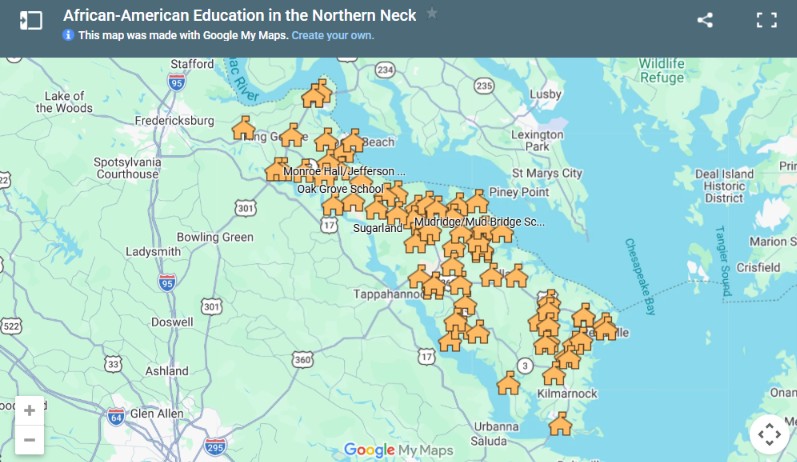
The second thread is educational. The Northern Neck is home to a rich and once-overlooked history of early twentieth-century African American education, including the region’s Julius Rosenwald schools, which brought schooling to Black children across the rural South. Historical societies exploring that legacy today regularly draw upon Woodson’s educational philosophy, articulated most powerfully in his landmark 1933 book The Mis-Education of the Negro, and upon his establishment of Negro History Week in 1926. His ideas provide the intellectual scaffolding for how the region understands and teaches its own past. The Carter G. Woodson Institute for African-American and African Studies at the University of Virginia likewise partners with local preservation groups to record African American oral histories and genealogies across eastern Virginia, including historic sites in the Northern Neck — an institute that quite literally bears his name and extends his mission.
Woodson chose February for his Negro History Week deliberately. It was the month of Abraham Lincoln’s birthday on the twelfth and the celebrated birthday of Frederick Douglass on the fourteenth — two figures venerated in the African American community. What began in 1926 as a single week blossomed, in 1970, twenty years after Woodson’s death, into Black History Month, first expanded by Black students and educators at Kent State University.
Today the observance he planted has crossed oceans: Black History is commemorated in Canada, the United Kingdom, and beyond. A boy born into poverty in post-Civil War Virginia set in motion an act of remembrance now practiced around the globe.
This is the deepest lesson of Woodson’s connection to the Northern Neck. One need not be born in a place to change it. Through archives that preserve its genealogies, through scholarship that illuminates its schools and communities, and through a movement that taught the world to honor Black history, Carter G. Woodson touched the Northern Neck as surely as if he had walked its shores.
The Northern Neck Connection
While Woodson did not live in the Northern Neck, his ties to the region are primarily tied to regional archives, modern academic research, and preservation efforts:
- The Woodson Papers (Microfilm Archives): The comprehensive preservation collection, The Papers of Carter G. Woodson and the Association for the Study of Negro Life and History , separates historical African American documentation geographically. Part 2 of this premier research collection is explicitly dedicated to documenting historical Black life, genealogies, and records from the Northern Neck of Virginia and Maryland.
- UVA’s Carter G. Woodson Institute: The Carter G. Woodson Institute for African-American and African Studies at the University of Virginia frequently partners with local preservation groups to uncover and record African American oral histories and genealogies across eastern Virginia, including historical sites in the Northern Neck.
- Rosenwald Schools Education: Historical societies exploring early 20th-century African American education in the Northern Neck—such as the regional Julius Rosenwald schools—frequently celebrate Woodson’s establishment of Black History Week (1926) and his educational philosophies outlined in The Mis-Education of the Negro. [9, 10]
Dr Woodson’s life answers a question we all quietly ask: can one person really make a difference? Woodson’s answer was a resounding YES — a yes that echoes every February, in every classroom, in every country where Black history is studied, appreciated, and celebrated. Black history has had an impact worldwide — good, bad, and ugly — and because one man insisted it be remembered, the world remembers.
So here, at the NNKHHT, we are ready, willing and able to aid-assist the African-American Education Initiative in the Northern Neck National Heritage Area in their charter to bring education and information to these NNK schools in the region. We are ready to go, right now!
Sources: Northern Neck Hidden History Trail blog, “Black History Month — Carter Woodson Was Here”; National Park Service; Wikipedia (Carter G. Woodson); Library of Virginia, UncommonWealth; the Papers of Carter G. Woodson microfilm collection.